

Blog
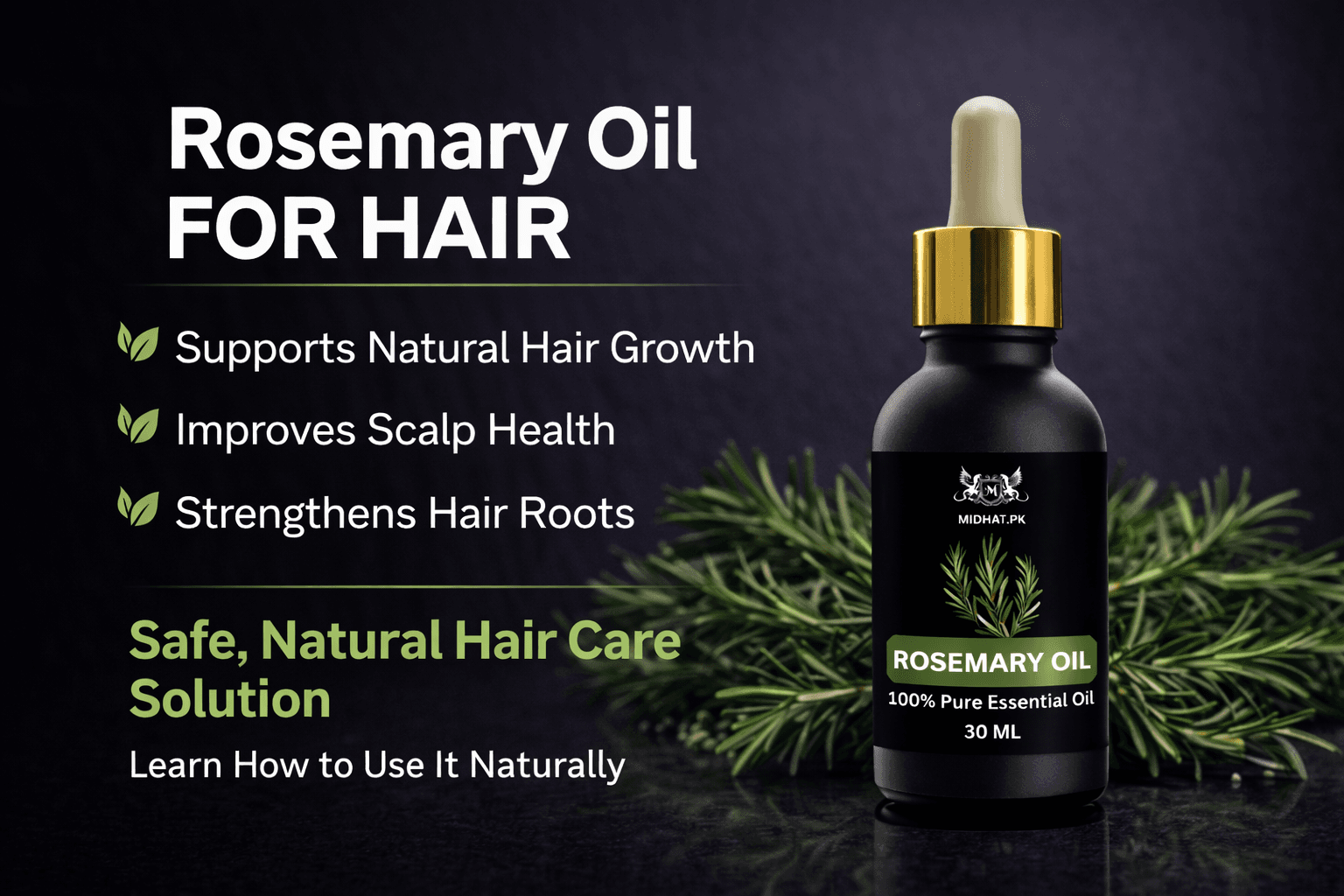
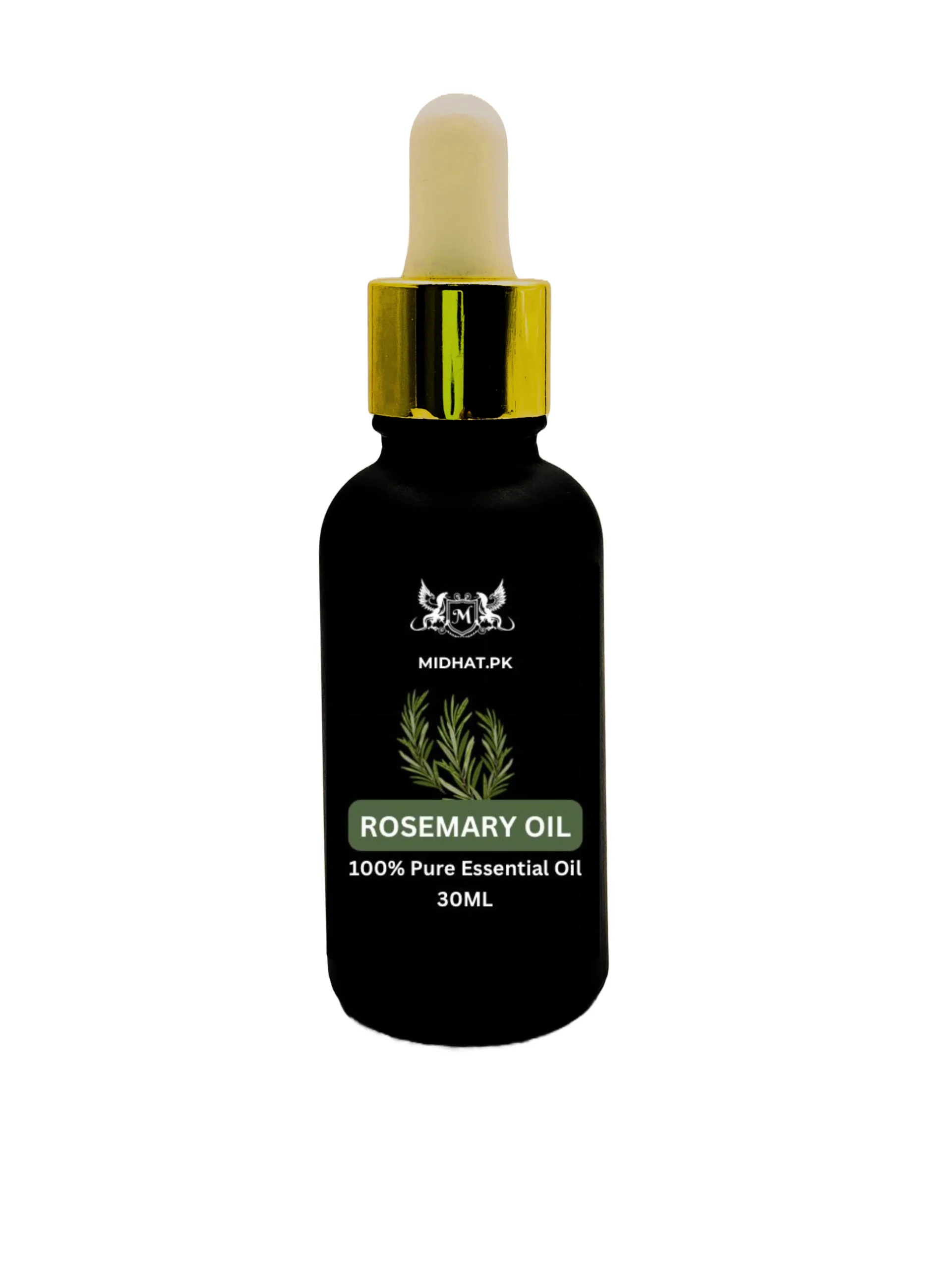
Natural hair care has seen a major shift toward plant-based solutions, and rosemary oil continues to lead this movement. With growing awareness around organic hair care and chemical-free hair solutions, consumers are choosing herbal oils that support long-term scalp and hair health. High-quality rosemary oil products, such as those available from Midhat.pk, are increasingly trusted for their purity and traditional formulation.
This article explores how rosemary oil supports scalp wellness, strengthens hair roots, and fits into a holistic routine focused on natural hair growth remedies.
The Rise of Herbal Oils in Organic Hair Care
Herbal oils have long been valued for their ability to nourish the scalp without disrupting its natural balance. As people move away from harsh chemicals, herbal hair oil solutions are becoming essential components of organic hair care routines. Rosemary, in particular, is known for its warming properties and ability to support circulation.
Unlike synthetic treatments that coat the hair, herbal oils work at the root level. They help improve scalp health by supporting hydration, reducing buildup, and encouraging a healthy environment for hair follicles. This makes rosemary oil a preferred option among essential oils for hair growth.
When sourced carefully and used consistently, herbal oils can restore vitality to dull or thinning hair. They align perfectly with a sustainable beauty mindset, focusing on long-term results rather than instant cosmetic fixes.
Nutritional Profile and Scalp-Nourishing Properties
Rosemary contains powerful antioxidants and natural compounds that protect the scalp from environmental stress. These nutrients help neutralize free radicals, which can weaken follicles over time. One of the key rosemary oil benefits for hair is its ability to support circulation, ensuring follicles receive adequate oxygen and nutrients.
A well-nourished scalp is less prone to dryness and irritation. Rosemary’s natural antimicrobial qualities also help maintain cleanliness without stripping natural oils. This balance is essential for people experiencing flakiness or sensitivity due to overuse of chemical products.
By integrating rosemary oil into a regular routine, users support scalp comfort and resilience. Over time, this contributes to stronger strands and improved texture, reinforcing the value of plant-based hair nourishment.
Supporting Hair Growth Through Circulation
Healthy hair growth depends largely on blood flow beneath the scalp. When circulation is compromised, follicles may weaken or become dormant. Rosemary oil for hair growth is widely used because it naturally stimulates blood flow without aggressive stimulation.
Gentle massage with rosemary oil encourages the scalp to relax while improving nutrient delivery. This combination helps stimulate hair follicles and supports a balanced growth cycle. Over time, consistent use may reduce excessive shedding linked to stress or poor scalp health.
Unlike synthetic growth serums, rosemary oil works gradually and sustainably. This makes it ideal for those seeking natural hair growth remedies that prioritize scalp wellness and long-term improvement rather than quick but temporary results.
Why Essential Oils Play a Key Role
Essential oils are concentrated extracts that deliver active compounds efficiently when diluted properly. Rosemary essential oil for hair is especially valued for its versatility and compatibility with different hair types. It blends well with carrier oils while maintaining its therapeutic properties.
In organic hair care, essential oils are chosen not just for fragrance but for function. Rosemary supports circulation, helps balance oil production, and contributes to scalp comfort. These qualities make it a cornerstone in chemical-free hair solutions.
When used mindfully, essential oils enhance the effectiveness of herbal routines. They allow users to customize treatments based on individual scalp needs, reinforcing a holistic and personalized approach to hair care.
Strengthening Roots and Improving Hair Texture
Strong hair begins at the root. Weak follicles often result in breakage, thinning, and uneven texture. One of the lesser-discussed rosemary oil benefits for hair is its role in helping strengthen hair roots through consistent nourishment.
By improving circulation and reducing scalp stress, rosemary oil supports follicle integrity. This leads to improved elasticity and reduced brittleness over time. Hair that grows from a healthy root is naturally more resilient and manageable.
Incorporating rosemary oil into a routine focused on organic hair care helps maintain moisture balance and shine. The result is hair that not only looks healthier but feels stronger from root to tip.
Proper Application and Usage Methods
Understanding how to use rosemary oil for hair correctly is essential for safe and effective results. Because essential oils are potent, they should always be diluted with a carrier oil before application to the scalp.
A common method involves warming a small amount of diluted oil and massaging it gently into the scalp. This rosemary oil scalp massage helps improve absorption and encourages relaxation. Another approach to how to use rosemary oil for hair is applying it as a pre-wash treatment, allowing it to nourish the scalp before cleansing.
Consistency matters more than quantity. Regular, moderate use supports scalp health without causing buildup or irritation.
Maintaining a Healthy Scalp Environment
Scalp health directly influences hair quality. Excess oil, dryness, or buildup can disrupt growth cycles and weaken strands. Rosemary oil helps improve scalp health by supporting balance and cleanliness without harsh stripping.
Its natural properties make it suitable for maintaining a fresh scalp environment, especially for those transitioning away from chemical-laden products. Over time, the scalp’s natural oil production may stabilize, reducing common issues like itchiness or flaking.
A healthy scalp creates the ideal foundation for strong, vibrant hair. Rosemary oil fits seamlessly into routines designed to support this foundation naturally.
Choosing Quality Rosemary Oil Products
Not all oils deliver the same results. Choosing a high-quality product ensures purity, safety, and effectiveness. Rosemary essential oil for hair should be steam-distilled and free from synthetic additives or artificial fragrances.
Equally important is the carrier oil used in blends. Cold-pressed, organic oils retain more nutrients and enhance absorption. Trusted local brands that focus on herbal formulations offer greater transparency and reliability.
Investing in quality herbal hair oil supports consistent results and aligns with sustainable beauty values, making it a worthwhile long-term choice.
Integrating Rosemary Oil Into Your Routine
A successful hair care routine is built on consistency and simplicity. Rosemary oil can be integrated into weekly rituals without overwhelming the process. Light massage sessions, occasional treatments, and gentle cleansing work together to support scalp and hair health.
For those focused on rosemary oil for hair growth, patience is essential. Natural solutions work gradually, reinforcing follicle strength and resilience over time.
Balanced routines that prioritize scalp care, nutrition, and gentle handling often yield the most sustainable results, reflecting the true value of plant-based hair care.
Final Thoughts
Rosemary oil remains a powerful ally in natural hair care when used with intention and consistency. As more people seek organic alternatives, rosemary oil for hair continues to stand out for its balance of tradition and effectiveness.
By supporting circulation, scalp comfort, and root strength, rosemary oil for hair growth fits perfectly into routines focused on long-term wellness rather than quick fixes. When sourced from trusted herbal brands and applied correctly, it offers a reliable, natural path toward healthier, stronger hair.
Embracing rosemary oil is not just a trend—it is a return to mindful, plant-powered care rooted in simplicity and sustainability.